
Buying Property in Brisbane: A Local Guide to Brisbane’s Property Market
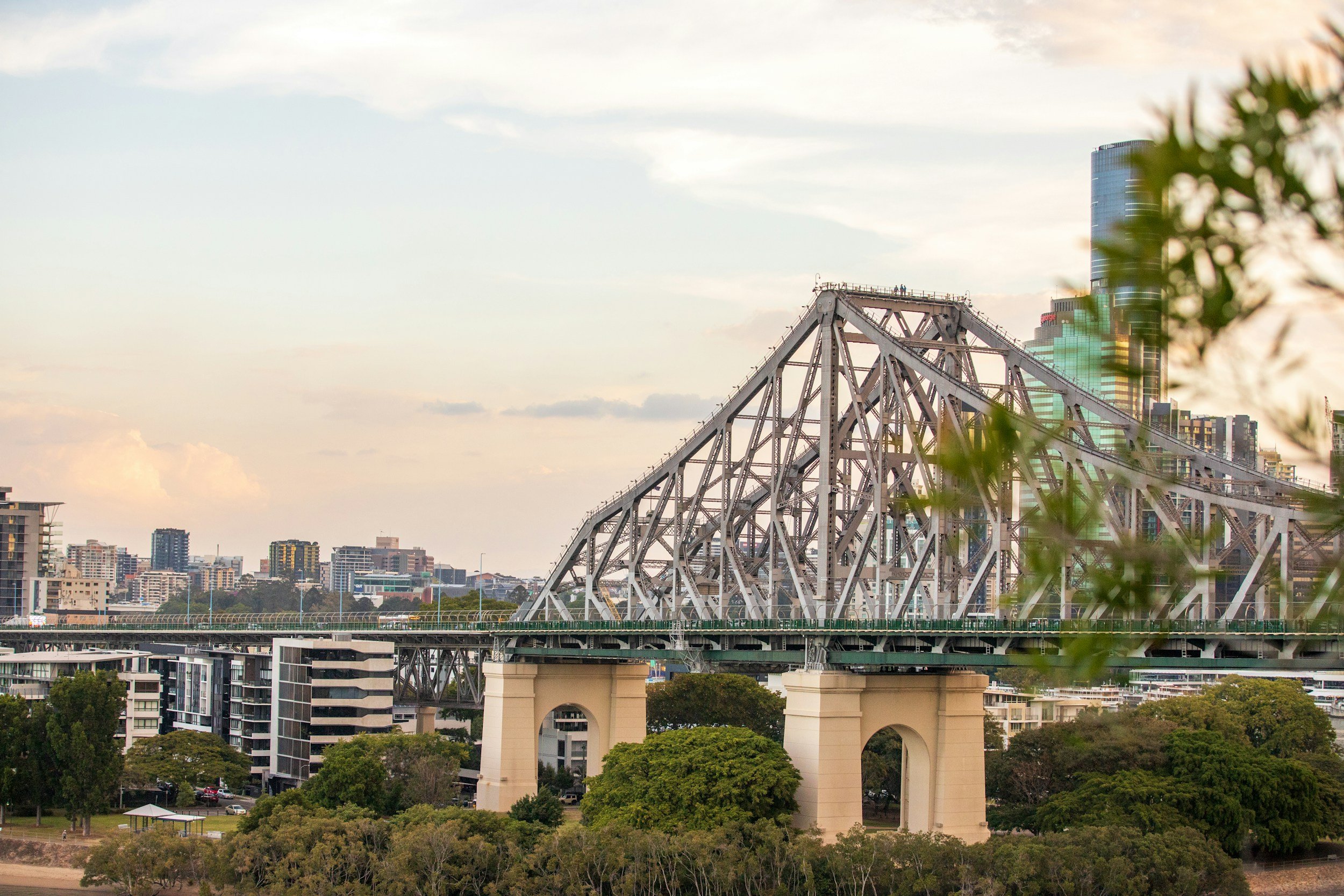
Brisbane has evolved from a relatively affordable alternative to Australia’s southern capitals into a major property market in its own right.
Population growth, infrastructure investment, employment opportunities and Brisbane’s lifestyle continue to shape demand across the city. But Brisbane is not one property market. From tightly held inner-city character suburbs to established family neighbourhoods, bayside communities and more accessible growth corridors, the right place to buy depends heavily on what you are trying to achieve.
For buyers, understanding those differences matters.
At Buywell Group our Brisbane buyer’s agents work across the city and greater South East Queensland, helping owner-occupiers and property investors identify locations and properties that align with their individual goals.
Why are buyers choosing Brisbane?
Brisbane’s appeal starts with lifestyle, but its property market is supported by considerably more than sunshine and warmer winters.
Brisbane City Council recorded the city’s population at approximately 1.36 million in June 2024, while continued population growth is driving demand for additional housing and infrastructure. Council planning is currently working towards accommodating 210,800 additional dwellings by 2046 under the benchmarks established through ShapingSEQ.
At the same time, Brisbane continues to invest in the infrastructure required of a growing capital city.
Brisbane Metro has improved high-frequency connections between suburbs, major activity centres and the CBD, while Council continues to invest in roads, public transport, suburban centres, parks and community infrastructure.
For property buyers, these factors matter because sustainable property demand is ultimately influenced by the places people want — and are able — to live, work and spend their time.
Understanding the Brisbane property market
One of the biggest mistakes buyers can make is treating Brisbane as a single market.
Two suburbs separated by only a few kilometres can perform very differently. Even within the same suburb, the difference between two streets can materially affect desirability, rental appeal and resale value.
School catchments, flood and overland-flow considerations, public transport, topography, housing character, zoning, proximity to village precincts and the quality of surrounding owner-occupier housing all play a role.
Brisbane’s subtropical environment also creates property-specific considerations that aren't necessarily as prominent in other Australian capitals.
Orientation, natural light, airflow, outdoor living, greenery and usable land can materially influence how a home feels and functions. Brisbane City Council itself incorporates subtropical design principles into its planning approach, including consideration of outdoor living, balconies, trees, greenery and landscape.
This is why suburb selection should only ever be the beginning of the property search.
Where do our Brisbane buyer’s agents service?
Buywell assists buyers throughout Brisbane and greater South East Queensland, rather than restricting our search to a small list of preferred suburbs.
Within Brisbane, that includes the inner city, inner north, inner south, eastern suburbs, western suburbs and Brisbane’s bayside, as well as established middle-ring and outer suburban locations where the fundamentals align with a client's strategy.
Beyond Brisbane, our Queensland team also purchases across the Gold Coast, Sunshine Coast, Ipswich and Toowoomba, allowing us to compare opportunities across markets rather than assuming Brisbane is automatically the right answer.
The objective isn't to have a favourite suburb.
It's to understand what different locations can offer and determine which market best serves the buyer.
Brisbane’s inner suburbs
For many owner-occupiers, Brisbane’s inner suburbs offer a combination that is difficult to replicate: proximity to the CBD alongside established neighbourhoods, character housing, mature streetscapes and strong café, dining and lifestyle precincts.
Areas across Brisbane's inner north, inner west, inner east and inner south can provide access to employment, schools, hospitals, universities, public transport and some of the city's most established village precincts.
But buying well in these locations can require a highly property-specific approach.
Character overlays, renovation history, flood considerations, busy roads, aircraft noise, topography and street-by-street differences can all influence what a property is worth and how desirable it may be when it eventually returns to market.
For owner-occupiers in particular, understanding the micro-location is often just as important as choosing the suburb.
Brisbane’s middle-ring family markets
Move further from the CBD and the property proposition begins to change.
Established middle-ring Brisbane suburbs can offer larger blocks, traditional detached housing, strong school access and more space while maintaining relatively convenient access to employment and major transport corridors.
These areas can appeal particularly strongly to families looking for a long-term home and investors seeking established owner-occupier demand.
As Brisbane grows, Council is also targeting a number of suburban areas for renewal, with planning focused on creating additional housing, jobs, services, walkability and better access to public and active transport.
Again, that doesn't mean every property within a renewal area represents a good purchase. It means buyers need to understand how infrastructure, planning and changing demographics could affect individual locations over time.
Brisbane’s bayside
Brisbane’s bayside offers another distinctly different proposition.
Suburbs around Moreton Bay combine established residential communities with access to the waterfront, recreation, village centres and a lifestyle that can feel removed from the inner city despite remaining within Greater Brisbane.
For buyers considering the bayside, understanding individual pockets becomes particularly important. Transport, flood and coastal considerations, housing quality, access to amenities and proximity to the water can create significant differences in desirability within relatively small geographic areas.
The best property isn't necessarily the one closest to the water. It is the one where location, land, housing quality and price come together appropriately for the buyer.
Buying an investment property in Brisbane
For property investors, Brisbane can provide opportunities across a wide range of price points and property types.
But investing successfully requires looking beyond a suburb's recent capital growth.
At Buywell, we consider the underlying characteristics of both the location and the individual property: owner-occupier appeal, rental demand, housing supply, land component, employment access, infrastructure, scarcity, future competition and opportunities to manufacture value.
Council's own planning highlights the challenge Brisbane faces in accommodating continued growth while providing sufficient housing in locations connected to transport, employment and services.
For an investor, the question therefore isn't simply "Where should I invest in Brisbane?"
It's:
"What type of Brisbane property best suits my portfolio, budget and long-term strategy?"
Those are very different questions.
Buying a home in Brisbane
For an owner-occupier, the numbers are only part of the decision.
Where you buy affects your commute, school options, weekends, local café, access to green space and the community you become part of.